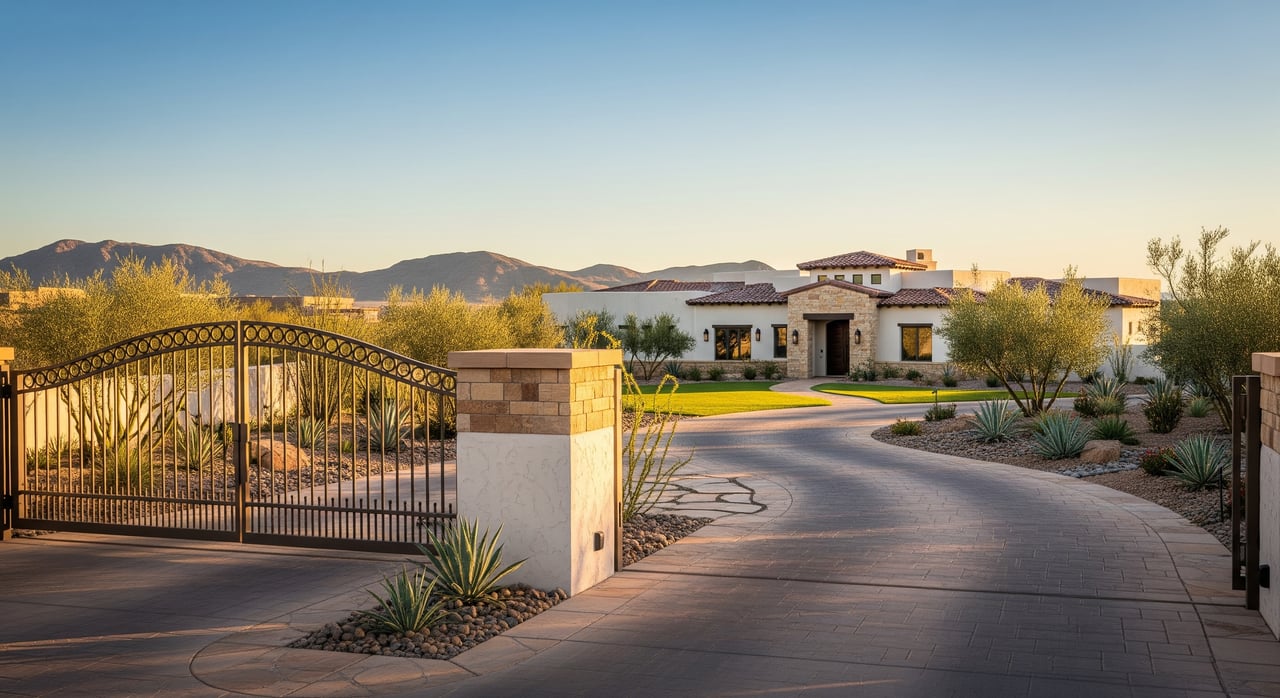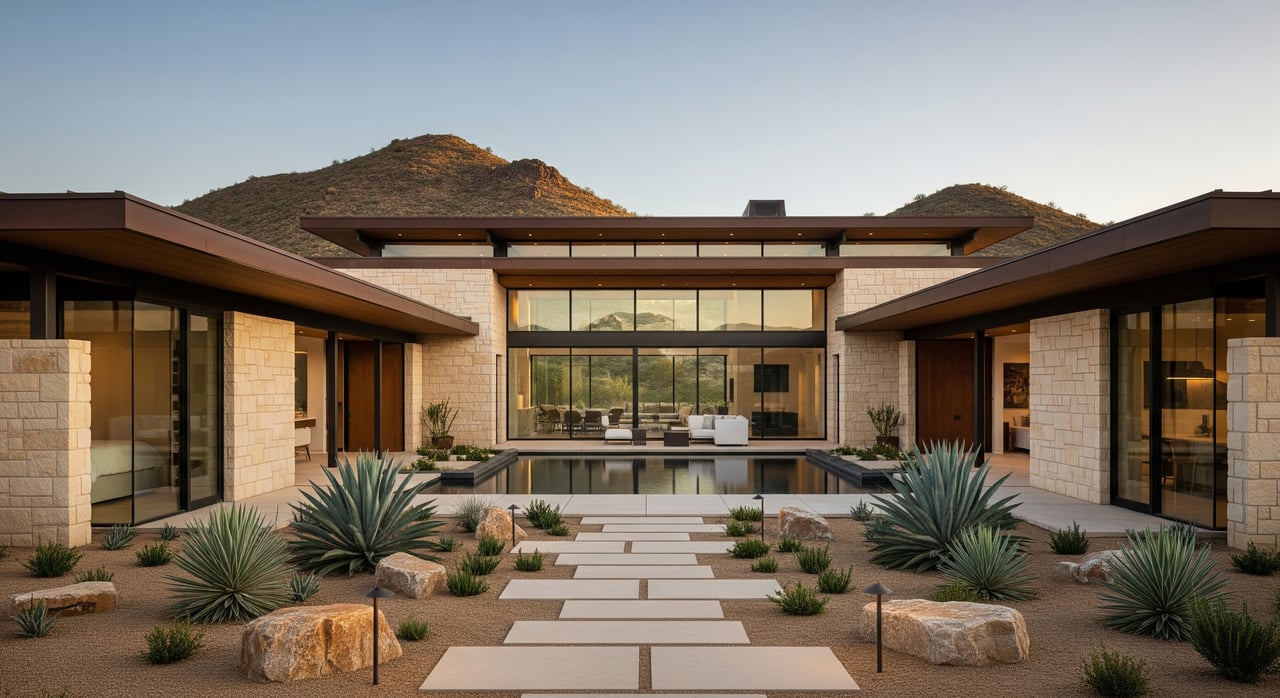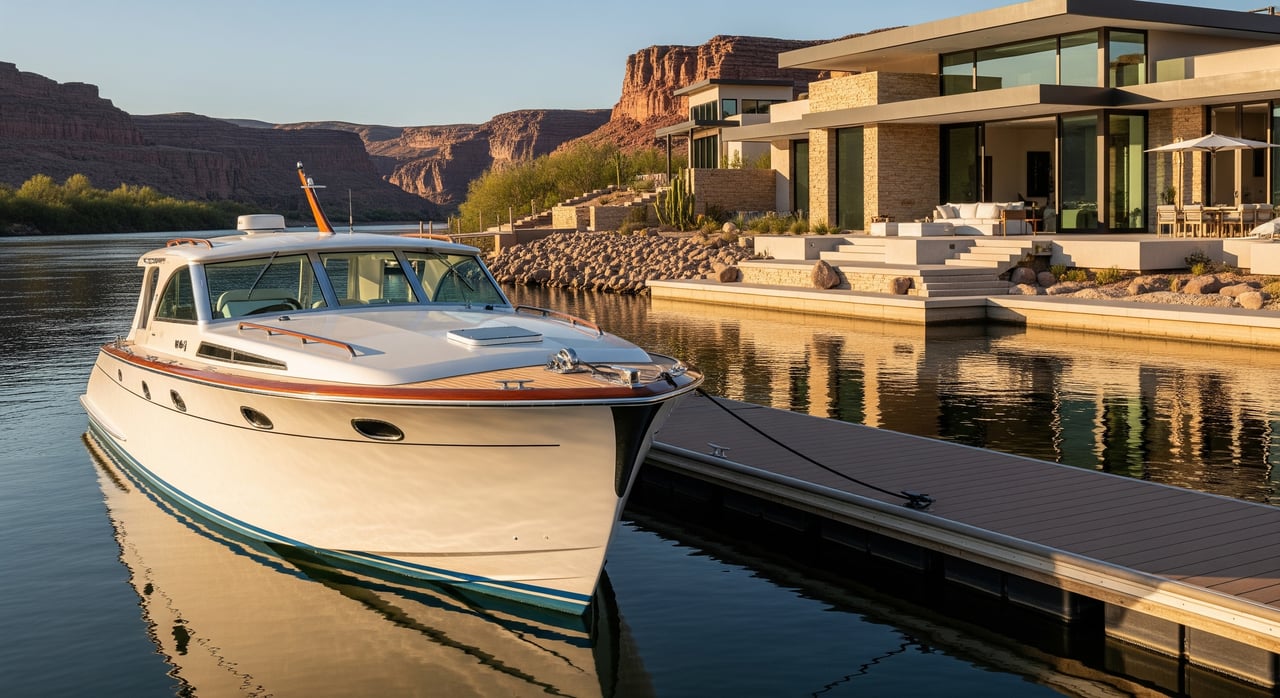
Picture this: coffee at sunrise, a glassy river, and your boat sliding into the water five minutes from home. If you are eyeing a place in Topock or Golden Shores, boating is likely part of your vision. The river here is beautiful, but it is also dynamic and managed by multiple agencies, which affects access, safety, and daily logistics. This guide breaks down what you need to know about launching, storage, seasons, rules, and at-home docking so you can buy with confidence. Let’s dive in.
Know the river and who manages it
Topock and Golden Shores sit on the Lower Colorado River along the Arizona–California border. You will find a mix of main river channels, calmer side channels, and the protected Topock Marsh wetlands. The marsh is an important habitat with rules that shape how and where you can operate.
Water levels and ramp usability downstream are influenced by upstream dams and releases. Federal and state agencies oversee operations and habitat. For current conditions and policies, check with the U.S. Bureau of Reclamation, U.S. Fish & Wildlife Service for Topock Marsh, Arizona Game and Fish Department, and Mohave County.
Where to launch and fuel up
You will see public concrete ramps in and around Topock and nearby communities. Conditions can change with water levels, so verify ramp depth and operating status before you go. Small marinas and private docks may offer transient tie-ups, fuel, pump-out, and slips, but availability is seasonal.
If you want full-service convenience, plan on nearby hubs like Needles in California or Lake Havasu City in Arizona. These centers more reliably provide fuel, repair, hull service, and winter storage. Call ahead to confirm hours and seasonal operations.
Trailers, parking, and logistics
Many river homeowners trailer their boats for day use. Before you rely on a specific ramp, check parking rules, including whether overnight trailer parking is allowed. Busy holiday weekends often mean early arrivals and longer wait times.
If you expect to launch often, make sure your property has room for a trailer and tow vehicle. Some buyers also arrange off-site long-term trailer storage to keep driveways clear.
Seasons, weather, and water
Peak boating season runs from spring through early fall. Summer brings hot air temps and busy waterways, so plan mornings or evenings if you want calmer conditions. Winter and shoulder seasons are popular with anglers and snowbirds who prefer milder days.
Expect afternoon winds and choppy water, especially during seasonal patterns. Monsoon season can bring fast-moving thunderstorms and gusts. Always check the National Weather Service forecast before you launch, and build a buffer into your return time.
River hazards to respect
The river near Topock has shifting sandbars, shoals, and submerged obstacles. Side channels and backwaters can change after high or low flows, and markers may move. No-wake zones are common near marinas, bridges, and wildlife areas.
Heat is a real hazard in summer. Hydrate, use shade, and plan rest periods. Set realistic distances for your group, especially if you have new boaters or kids aboard.
At-home storage and docking options
Riverfront owners use a variety of solutions: private docks, floating docks, boat lifts, or simple shore tie-offs where allowed. Each option carries maintenance needs and potential permitting requirements. Electrical and water hookups at docks are not guaranteed, so verify infrastructure before you plan upgrades.
Storing a trailer or small boat on your lot is convenient, but check Mohave County rules and any HOA standards for setbacks, size, and appearance. If you prefer convenience without on-lot storage, price out marina slips or dry storage and factor in travel time.
Permits, title, and easements
Waterfront does not automatically mean dock rights. Review the property’s deed, recorded easements, and any HOA or community covenants. Confirm if there is a deeded ramp, community dock, or restrictions that limit docking or lifts.
If you plan to add a dock or modify the shoreline, expect to coordinate with Mohave County and possibly state or federal entities, depending on location. Ask for prior permits and as-built drawings if a dock already exists.
Safety rules that matter
Carry the required U.S. Coast Guard safety gear for your vessel type and make sure each person has a properly fitted life jacket. Learn and follow inland navigation rules, including slow or no-wake zones. Boating under the influence is illegal and strictly enforced.
Share a float plan for longer runs, use a VHF radio or ensure you have reliable cell service backups, and keep a signaling device handy. Practice defensive driving, especially on crowded weekends.
Protect the river: invasive species
The Colorado River and Lake Havasu region have quagga mussel and other aquatic invasive species concerns. Follow clean, drain, and dry protocols after every outing. Arizona Game and Fish provides guidance and may operate inspection or education stations in the region.
Expect to stop at inspection points when directed, and always arrive at the ramp with a clean, dry boat if you are crossing from other waterbodies.
Smart buyer due diligence checklist
- Title and access: request recorded easements, dock rights, and any community ramp details.
- Dock feasibility: confirm water depth, shoreline stability, and prior permits or as-builts.
- Permits: check Mohave County rules and any state or federal requirements for docks or lifts.
- Services: map your nearest working ramps, fuel, pump-out, repair, and long-term storage.
- Water levels: review recent advisories from the Bureau of Reclamation and local marinas.
- Seasonality: plan for busy holiday weekends, early or late-day boating in summer heat, and shoulder-season opportunities.
- AIS compliance: follow clean, drain, dry steps and know inspection station locations and protocols.
Quick safety checklist for new owners
- Coast Guard-required PFDs, horn/whistle, fire extinguisher, and visual signals for your boat class
- VHF radio or reliable cell plan, portable charger, and paper or offline digital navigation aids
- Sun and heat kit: shade, wide-brim hats, sunscreen, cooling towels, and plenty of water
- Basic tools and spares: prop or shear pins if applicable, fuses, tape, and a first-aid kit
- A simple float plan shared with a contact who knows your route and return time
A sample day on the water
- Morning: Launch early for a calm run through side channels. Keep an eye out for shallow areas and follow posted markers.
- Midday: Find a quiet shoreline for lunch and shade. Rotate swimmers and cool down in short sessions to avoid fatigue.
- Evening: Enjoy a slow sunset cruise. Head back before the evening winds pick up and lights become essential for navigation.
Work with a local advisor
Buying in Topock or Golden Shores is about matching the home to your boating lifestyle. From verifying dock rights and ramp access to mapping services and seasonal patterns, the right guidance saves time and headaches. If you want a clear plan for river living and a property that fits it, reach out to Jeff Curti for local advice and a tailored search.
FAQs
What should I check before using a Topock or Golden Shores boat ramp?
- Call ahead to confirm ramp depth, hours, parking rules, and any low-water or seasonal closures.
Where can I find full-service marina support near Topock?
- Needles and Lake Havasu City typically offer fuel, repairs, pump-out, and storage, so plan your runs and refueling accordingly.
Do I automatically have dock rights with a riverfront home?
- No, docking and lift rights depend on deeded access, recorded easements, and county or agency permits, so review documents during due diligence.
How do water levels affect my boating plans?
- Reservoir operations upstream can change river depth and ramp usability, so monitor recent notices and confirm with local marinas before launch days.
What seasons are best for boating in Topock and Golden Shores?
- Spring through early fall is busiest, with hot summer days; winter and shoulder seasons are popular for milder weather and fishing.
What safety gear is required on the Lower Colorado River?
- Carry USCG-required PFDs for each person, a horn or whistle, fire extinguisher, and visual signals that match your vessel size and type.
How do I prevent spreading quagga mussels and other AIS?
- Follow clean, drain, dry steps after every outing and comply with any inspection or decontamination requirements at stations.